
Cherfus Engineering Contact

Mechanical Design and Prototyping

From an idea or a mechanical problem to a detailed design, a prototype and a product that is ready for production.

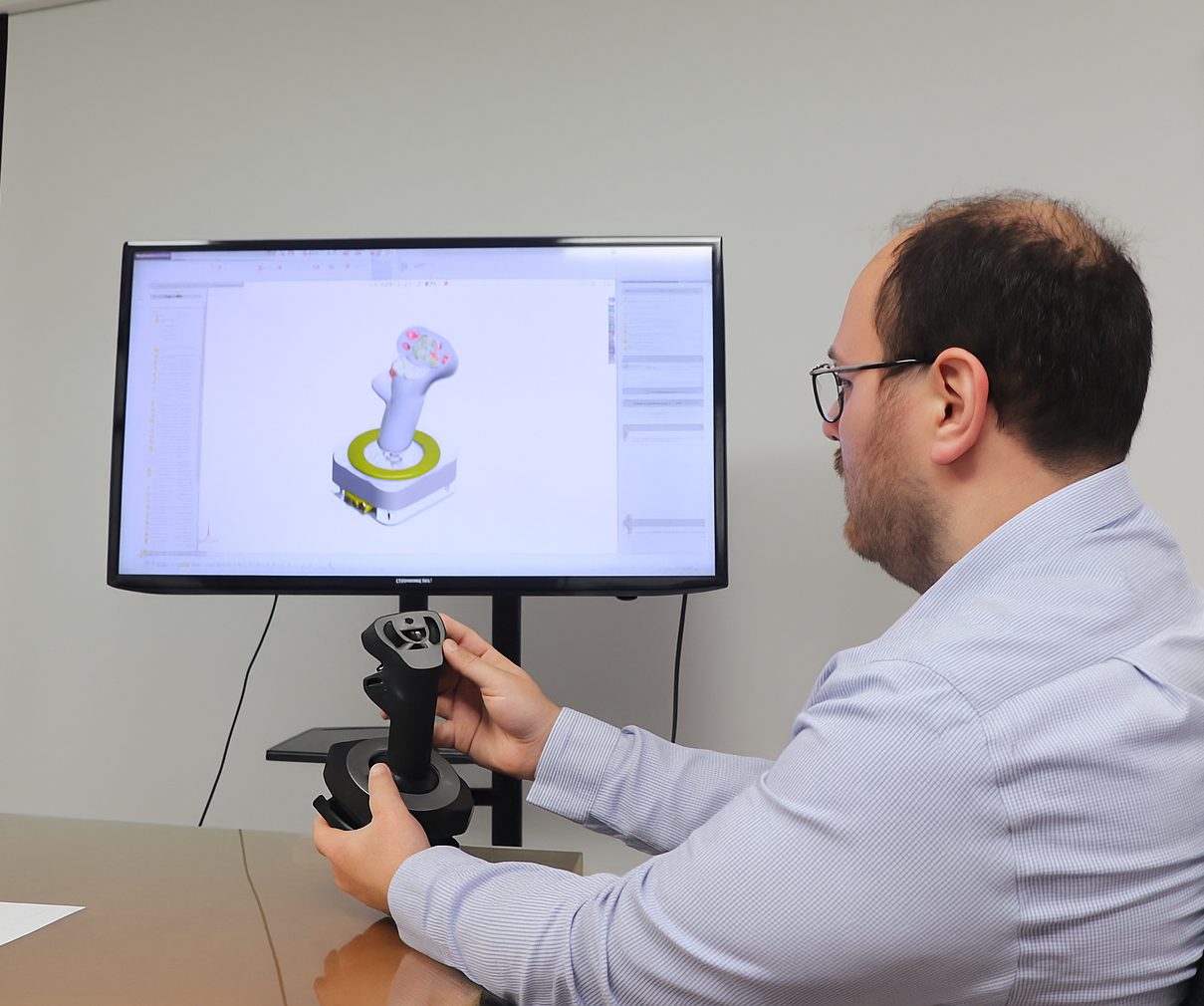
David Cherfus checking a prototype against its CAD model

Need to develop a product or a mechanism?

Tell us

How we design

Before we draw anything, we learn how the product is supposed to work, in what environment, with which systems, and how it will be manufactured and assembled.

We work with industrial companies, startups and entrepreneurs. You can work with us on a full project, from concept to production, or on a single stage where you need a mechanical engineer.

How we work

The scope changes from project to project. Each stage ends with defined deliverables, and we decide together whether to continue.

  1. Requirements and concept

    We study the problem, the working environment, the requirements and the constraints. We propose several directions and choose the right one together.

  2. Detailed mechanical design

    3D models and assemblies, mechanisms and connections, selection of materials and components, and checks for loads, motion, assembly and maintenance.

  3. Prototype and testing

    We produce first models and parts, by 3D printing or another manufacturing method, and test fit, function and ease of use. Whatever does not work gets fixed here.

  4. Design for manufacturing (DFM / DFA)

    We adapt the design to the manufacturing and assembly methods, remove unnecessary complexity, and prepare drawings and documentation for production.

What you get

Concepts and mechanical design

Concept alternatives, 3D models, assemblies and mechanisms.

Physical prototype

Models and parts for testing the working principle, the fit and the use.

Production documentation

Drawings, a bill of materials and recommendations for manufacturing and assembly, according to the project scope.

Project: smart medication dispenser

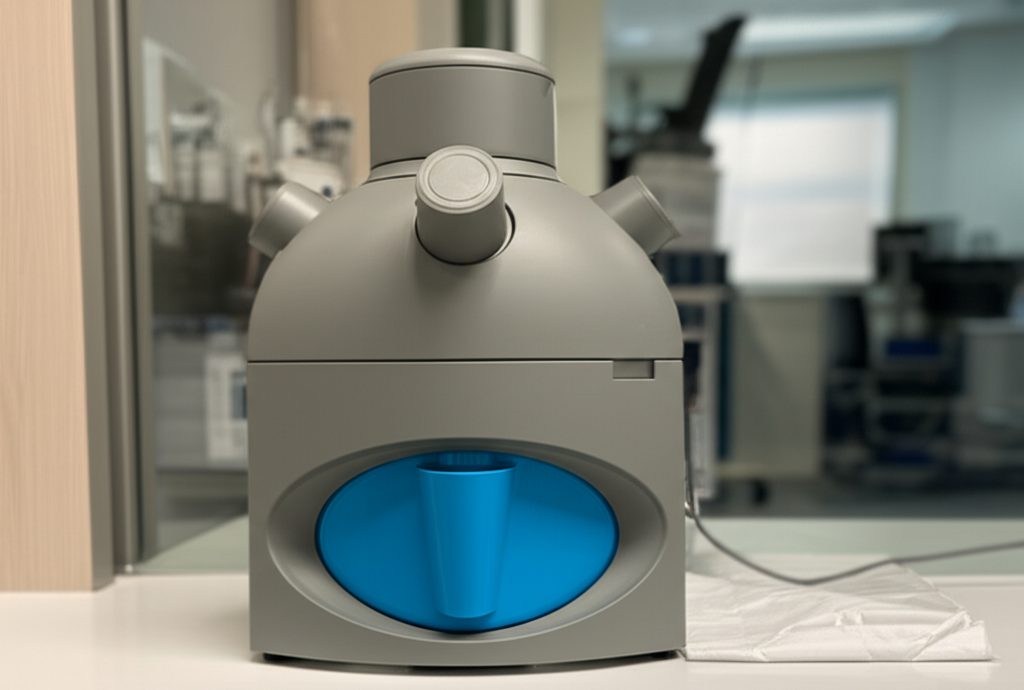
The Centrefy smart medication dispenser

Scheduled tablet dispensing

Centrefy

Centrefy developed a device that dispenses tablets on a schedule. The challenge was to dispense one tablet at a time, choose between several magazines, and fit all the electromechanical assemblies into a small housing.

  • A dedicated magazine that prevents double dispensing.
  • A mechanism that selects a magazine according to the schedule and dosage.
  • A mechanical housing for the computer, the camera and the drive systems.
Full case study

Tell us about your product

A few words about what you need to develop, and we will get back to you.